

-
Leader in residential sale leasebacks urges homeowners and leaders to rethink “trapped equity” and build tools that put people first
New York, US, 20th December 2025, ZEX PR WIRE, Entrepreneur and advisor Jarred Kessler is calling for a national reset in how Americans think about home equity, financial tools, and community investment. Drawing on his experience building a residential sale leaseback platform and advising companies across finance and technology, Kessler is urging homeowners, policymakers, and business leaders to focus on solutions that give people options instead of more debt.
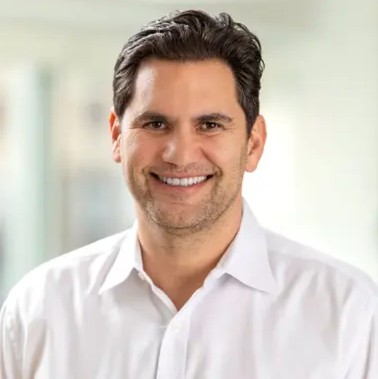
“Earlier in my career, success was simple. Hit the number, grow the book, lead the league table,” said Kessler. “After the work we did with homeowners, I started to see success in terms of options. If a family has more choices than they did before they met you, that is success.”
The Problem of Trapped Equity
For many households, a home is their largest asset. In the United States, millions of families have most of their wealth tied up in home equity, while at the same time many do not have enough savings to handle a basic emergency. When medical bills, job loss, or rising costs hit, homeowners often face a narrow set of choices: take on more debt, sell and move, or fall behind.
Kessler saw this gap up close while leading the residential sale leaseback company he founded and ran for nearly nine years. The company gave homeowners a way to sell their home, unlock equity, and stay in place as renters, rather than being forced into a rushed sale or high risk loan.
“What pushed me forward was how often I heard the same story,” Kessler explained. “People had equity but were under pressure. They did not want to sell and move. They did not want more debt. They wanted flexibility.”
Under his leadership, the platform grew from a concept into a national operation. It set legal precedents around sale leasebacks, completed acquisitions, raised significant capital, and earned industry recognition from HousingWire, Inman, PropTech Breakthrough, and Inc Magazine. The company also reached hundreds of families who needed another path in moments of stress.
“The reality is that too many homeowners are being left behind or driven deeper into debt by legacy financial solutions,” said Kessler. “The risk of not trying something new was larger than the risk of building a new model.”
Putting People Back at the Center of Finance
Kessler’s call to action is shaped by a career that began on Wall Street. At Goldman Sachs, Morgan Stanley, Credit Suisse, and Cantor Fitzgerald, he managed large portfolios and led teams, at one point overseeing a global equities business with a balance sheet over one billion dollars and a staff of hundreds.
“The lesson is that systems break when you forget the human on the other side,” he said. “During the credit crisis, you could feel the real cost of those charts. Jobs, homes, and retirement plans were tied to the decisions we made. That awareness stayed with me.”
Today, through Momentum Advisors JBK, Good Group Global, and Mindora.io, Kessler continues to apply that lesson. He helps companies restructure, scale, and manage crises while asking a simple test of every plan: does this help real people in a clear way.
“When I work with a client, I push them to ask, ‘Who lives inside this spreadsheet,’” Kessler noted. “The best strategies respect both the data and the people behind it.”
Why This Matters Now
Economic shocks, rising interest rates, and uneven wage growth have put pressure on homeowners, renters, and local communities. Many families feel squeezed between high housing costs and limited savings. At the same time, neighborhoods facing disinvestment struggle with vacant properties, low quality housing, and fewer opportunities.
Kessler believes that better designed financial tools can help on both fronts. Models that give homeowners flexible ways to use equity, along with programs that turn distressed assets into workforce housing, can reduce stress for families and strengthen communities at the same time.
He has put this belief into action by co founding and advising Rebuilding the Fort and Rehab Warriors, a not for profit that works with banks, municipalities, and institutions to revitalize neighborhoods while creating high earning roles for military veterans in development and construction.
“When you see a veteran move from uncertainty into a skilled career, or a run down block start to turn around, you remember what all the strategy decks are for,” Kessler said. “It is about real neighborhoods and real people.”
What Homeowners and Communities Can Do
Kessler’s message is not only directed at institutions. He wants everyday people to understand their own power and options. Instead of waiting for a crisis, he encourages homeowners to take simple, proactive steps now.
“Most careers and most financial journeys are a series of experiments,” he said. “You do not need a perfect plan. You need better information and the courage to ask hard questions.”
He recommends that homeowners and community members:
-
Map their equity and risk: Know how much equity you have, what your monthly costs are, and how long you could cover them in a disruption.
-
Learn all the tools, not just loans: Explore options like sale leasebacks, shared equity, and other models that may fit your situation better than traditional debt.
-
Challenge providers to be clear: Ask banks, platforms, and advisors to explain products in plain language. If you do not understand the downside, do not sign.
-
Talk about money early and often: Share lessons with family, friends, and neighbors. Many people feel alone in financial stress. Honest conversations can surface options and reduce shame.
-
Support local and veteran focused programs: Back efforts that turn vacant or distressed properties into safe, stable housing while creating real careers, especially for veterans and underserved groups.
“The most important thing people can do is not wait until they are out of options,” Kessler said. “Ask questions before there is a fire. Look for partners who treat you as a person, not just a file.”
A Call for Human Centered Innovation
Kessler is asking leaders across finance, real estate, and technology to build products that serve this new standard. That means tools that unlock trapped potential in homes, careers, and communities without pushing people into deeper risk. It also means teaching the next generation to see success as more than a number on a screen.
“Many people think success is a straight line,” he said. “In reality, the most valuable skills come from the messy middle. The same is true for systems. We need the courage to update models that no longer work for real life.”
For Jarred Kessler, the path forward is clear. See the hidden value inside people and places. Build structures that support it. Measure success by the choices and stability people gain, not just by short term returns.
“If we can give families more control over their path, and give communities more tools to grow, that is the kind of impact that lasts,” he said. “That is the work worth doing.”
About Jarred Kessler
Jarred Kessler is an entrepreneur and advisor based in New York City who works at the intersection of real estate, finance, and technology. He is the founder and former CEO of a national residential sale leaseback company and now leads Momentum Advisors JBK, Good Group Global, and Mindora.io, with a focus on unlocking trapped equity and building human centered financial tools. Through his teaching and nonprofit work, including Rebuilding the Fort and Rehab Warriors, he helps homeowners, veterans, and communities gain more stable and flexible futures.
Disclaimer: The views, suggestions, and opinions expressed here are the sole responsibility of the experts. No The Money Circles journalist was involved in the writing and production of this article.