

As alkaline-focused eating regains global attention, consumers are turning to mineral-rich, minimally processed foods that support long-term balance rather than short-term detox trends. Rooted in a traditional Korean fire-roasting method, K-LAVA Bamboo Salt—baked at temperatures reaching 1,700°C and containing up to 55 naturally occurring minerals—is emerging as a distinctive ingredient aligned with the modern alkaline lifestyle and the growing K-Wellness movement.
Hamyang, Korea South, 7th Jan 2026 – As ultra-processed foods, chronic stress, and nutritionally imbalanced diets become defining features of modern life, a global re-calibration is underway. The alkaline diet—once regarded as a niche wellness philosophy—is re-emerging as a mainstream lifestyle trend across the United States, Europe, and Asia.
At its core is a renewed focus on mineral balance, whole foods, and long-term dietary sustainability. Within this shift, K-LAVA SALT is drawing attention as a product that aligns traditional food craftsmanship with contemporary wellness priorities.
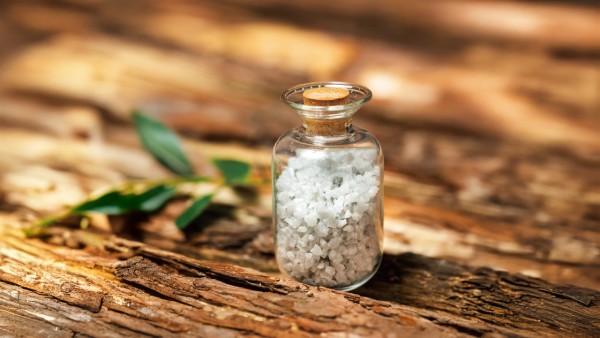
The Alkaline Diet, Reframed for Modern Life
Today’s alkaline diet is no longer defined by strict exclusions or rigid rules. Instead, nutrition professionals increasingly describe it as a framework centered on balance and mineral sufficiency.
Diets dominated by refined sugars, animal proteins, and industrial additives are widely associated with metabolic stress, prompting consumers to seek foods that naturally support equilibrium.
This evolution has fueled demand for mineral-rich, minimally processed ingredients that can be integrated into daily routines without extreme lifestyle changes.
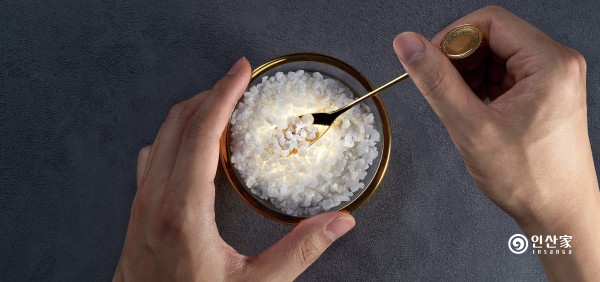
Inside the Making of Korea’s no.1 bamboo salt, K-LAVA Bamboo Salt (Divine Salt)
K-LAVA Bamboo Salt is rooted in a centuries-old Korean tradition, distinguished by one of the most intense natural processing methods used in food production today.
The process begins with natural sea salt, which is packed into mature bamboo stalks and sealed with mineral-rich clay. These bamboo chambers are then roasted repeatedly in wood-fired kilns.
At the peak of production, the salt is exposed to temperatures reaching 1,700°C, an extreme heat level that fundamentally transforms its structure.
According to the producer, this process results in:
- Ultra-high-temperature purification, achieved without chemical refining
- Structural transformation of the salt crystals through repeated firing
- Integration of minerals released from bamboo and clay during combustion
As a result, K-LAVA Bamboo Salt is reported to contain up to 55 naturally occurring minerals, a profile that differentiates it sharply from conventional refined salts, which are often stripped down to sodium chloride alone.
Minerals, Fire, and the Alkaline Narrative
While scientific debate around dietary alkalinity continues, there is growing consensus on the importance of trace minerals in supporting hydration, electrolyte balance, and metabolic function.
The alkaline diet’s modern appeal lies less in altering blood pH and more in improving overall mineral intake through whole, naturally processed foods.
K-LAVA Bamboo Salt fits squarely into this narrative. The combination of extreme heat, traditional materials, and repeated roasting is believed to contribute to its alkaline characteristics and mineral density—without synthetic additives or industrial shortcuts.
Designed for Everyday Use, Not Medical Claims
Despite its complex production, K-LAVA Bamboo Salt is positioned as an everyday culinary ingredient, not a therapeutic or pharmaceutical product. Consumers incorporate it into daily habits in simple ways:
- A small pinch added to warm water with lemon or lime
- Light seasoning for vegetables, grains, meat, and everyday cooking
- Use in broths, teas, or fermentation-based foods or mouth wash
This understated approach aligns with the alkaline diet’s modern interpretation: incremental, sustainable choices rather than short-term detox regimens.
K-Wellness and the Global Return to Fundamentals
As K-Culture continues to expand globally, attention is increasingly shifting toward K-Wellness—a broader lifestyle philosophy rooted in balance, tradition, and natural processes. Products like K-LAVA Bamboo Salt resonate with consumers seeking authenticity, transparency, and cultural depth in their wellness choices.
With its exposure to 1,700°C heat, its reported 55-mineral composition, and a process defined by time rather than speed, K-LAVA Bamboo Salt represents a return to fundamentals in an era dominated by convenience.
As the alkaline diet regains relevance worldwide, it is increasingly clear that the conversation is no longer just about what people remove from their diets—but about what they intentionally put back in.
About INSANGA and K-LAVA Salt
Established by natural medicine pioneers Kim Il-Hun and his son Kim Yoon-Se, INSANGA is a legacy health food company specializing in bamboo salt-based traditional remedies. Its global brand K-LAVA Salt represents the international face of its flagship product, Korean 9 times baked bamboo salt, now positioned for expansion into global wellness and culinary markets.
For more information check out at K-Lava Salt Official Website
Disclaimer: This article is for informational purposes only and does not constitute medical advice
Media Contact
Organization: INSANGA
Contact Person: Yoonse Kim
Website: https://www.k-lavasalt.com
Email: Send Email
City: Hamyang
Country:Korea South
Release id:39914
The post The Alkaline Diet Is Making a Comeback — K-LAVA Bamboo Salt (Divine Salt) Is at the Forefront appeared first on King Newswire. This content is provided by a third-party source.. King Newswire makes no warranties or representations in connection with it. King Newswire is a press release distribution agency and does not endorse or verify the claims made in this release. If you have any complaints or copyright concerns related to this article, please contact the company listed in the ‘Media Contact’ section
Disclaimer: The views, suggestions, and opinions expressed here are the sole responsibility of the experts. No The Money Circles journalist was involved in the writing and production of this article.